
“There may be no job in contemporary America that requires as many decisions, as much risk, and as complete devotion as trying to make a living from a small low-input farm. This remarkable account is unsentimental and realistic, and also profoundly moving; I know many people living this life, and every page in Nicola Smith’s book rings true. Peel a local apple, cut a few slices of farmhouse cheese, and settle in with this adventure story.” — Bill McKibben, author of The End of Nature
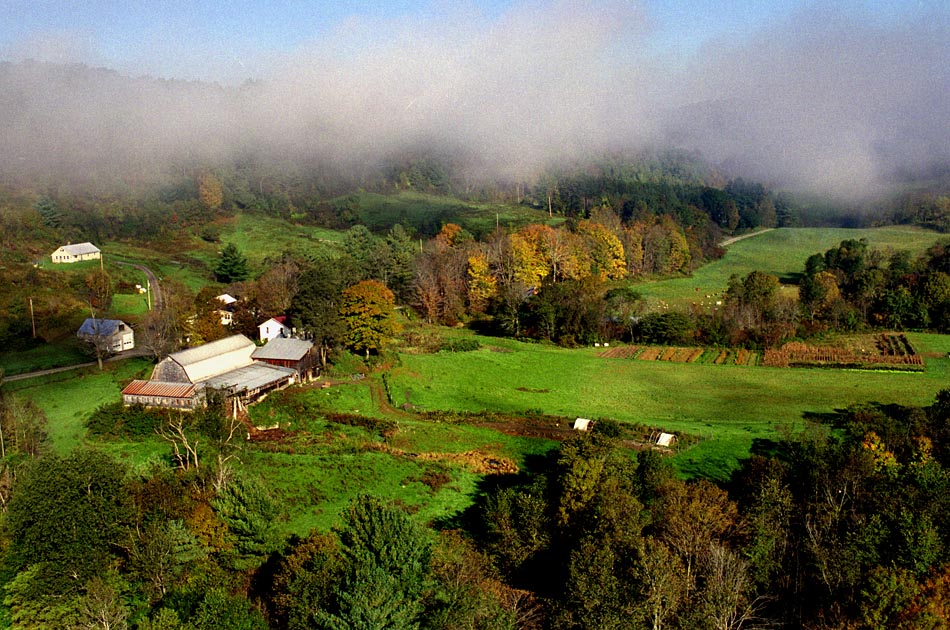 An aerial view of Fat Rooster Farm in Royalton, Vt.: the organic farm is deliberately small, both in scale — 20 acres total — and in intention. Jennifer Megyesi and Kyle Jones don't take on debt, bartering for use of equipment and as much as possible, look for their own markets to eliminate the middle man.
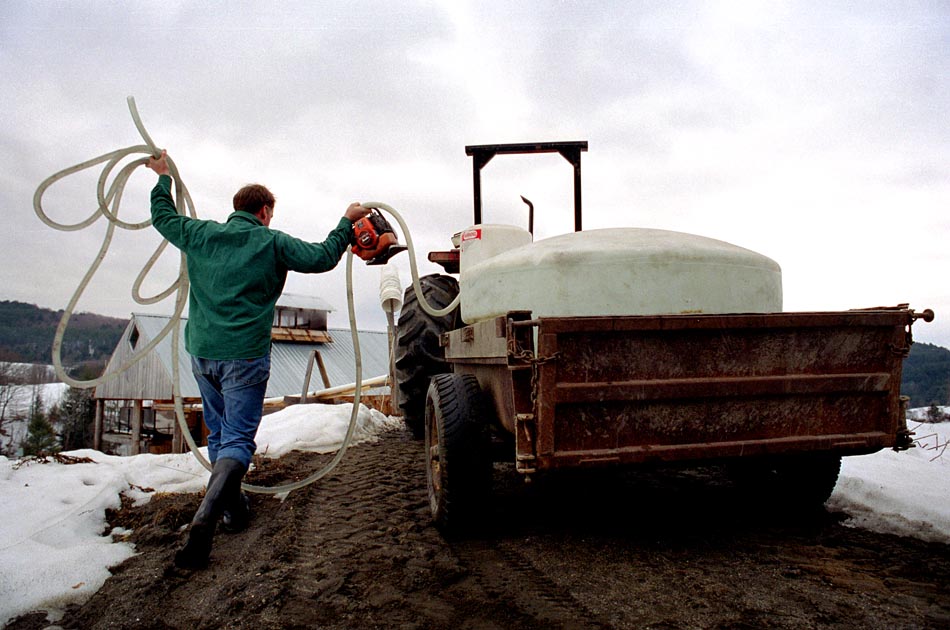
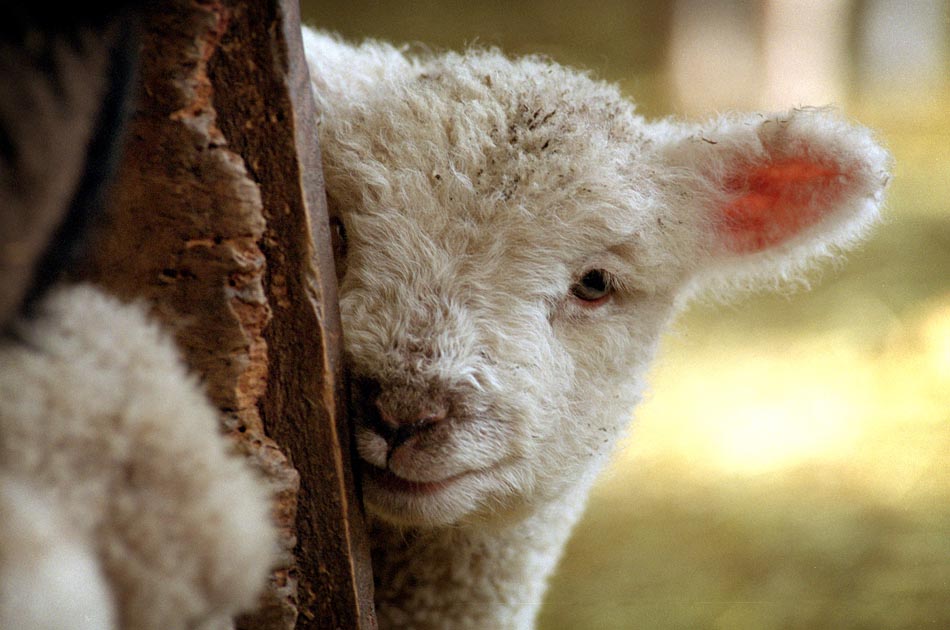
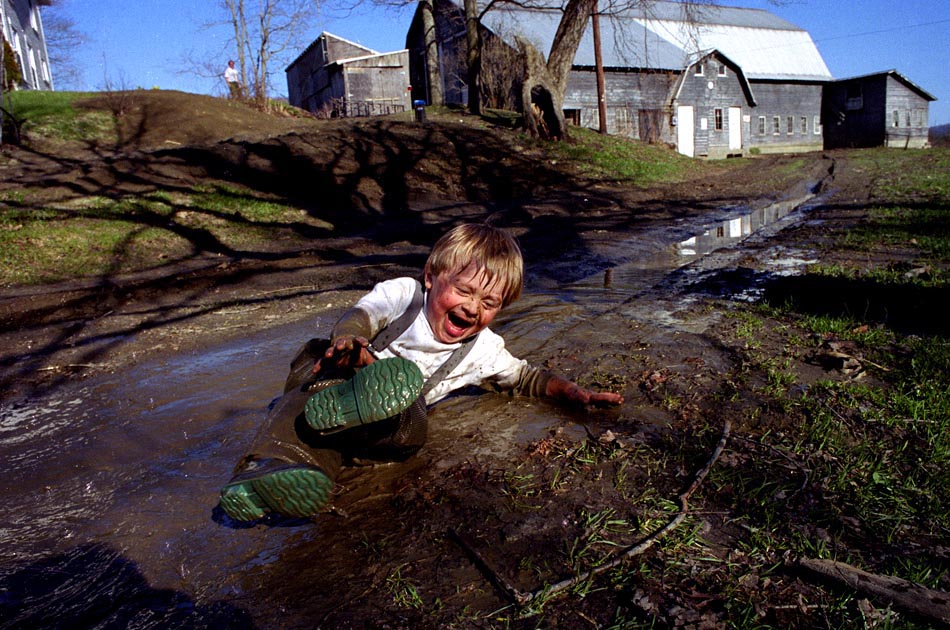
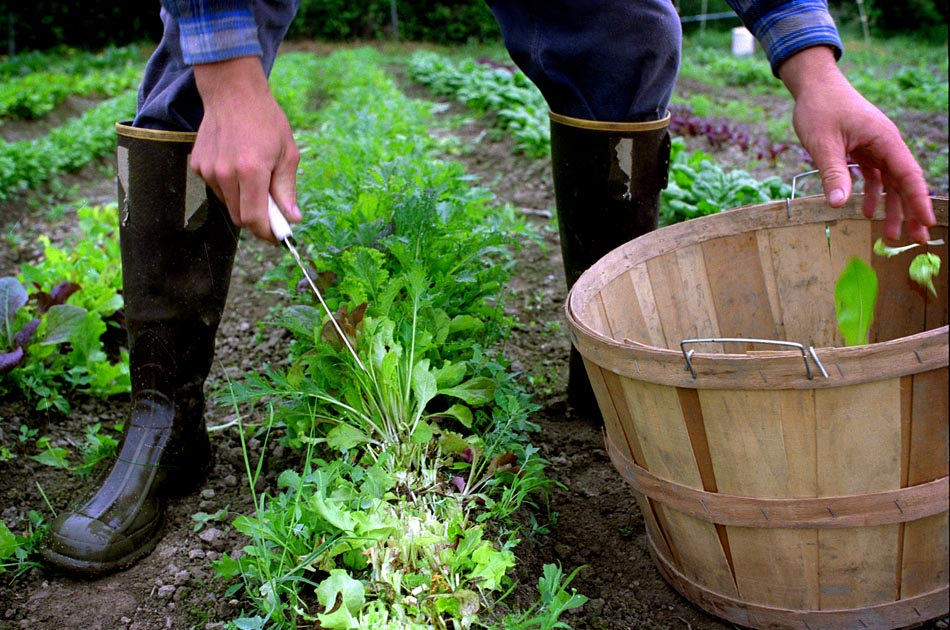
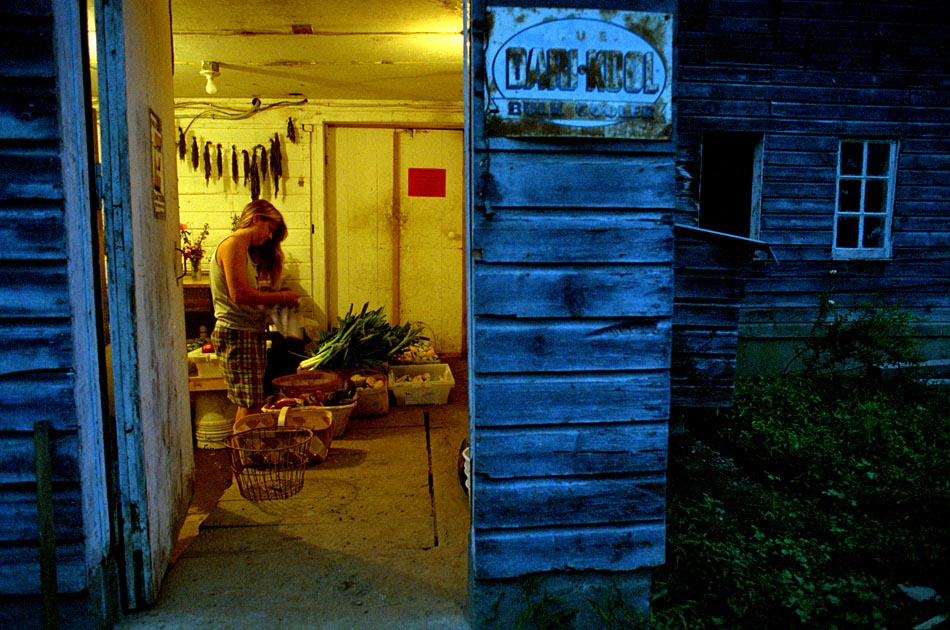
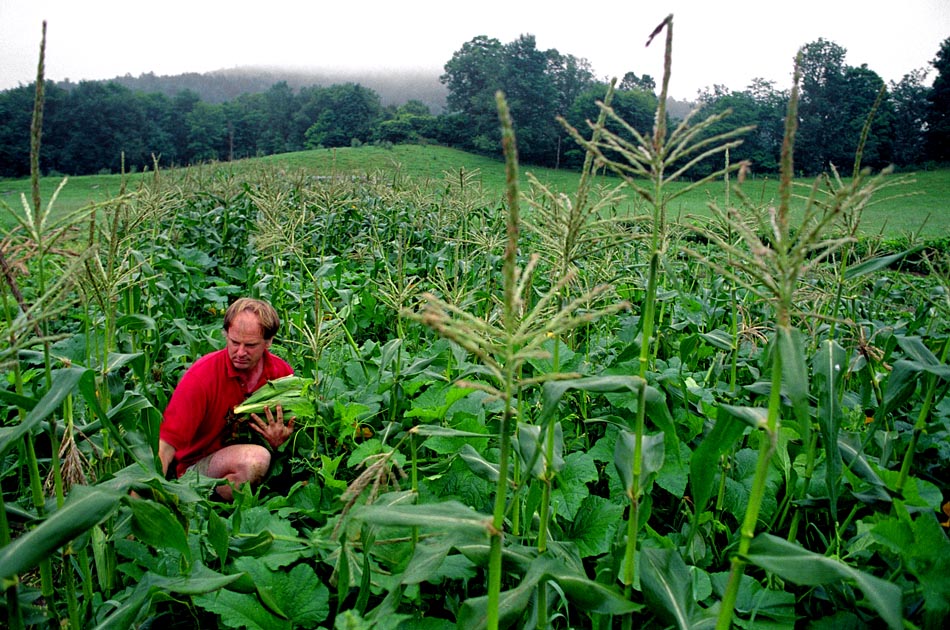
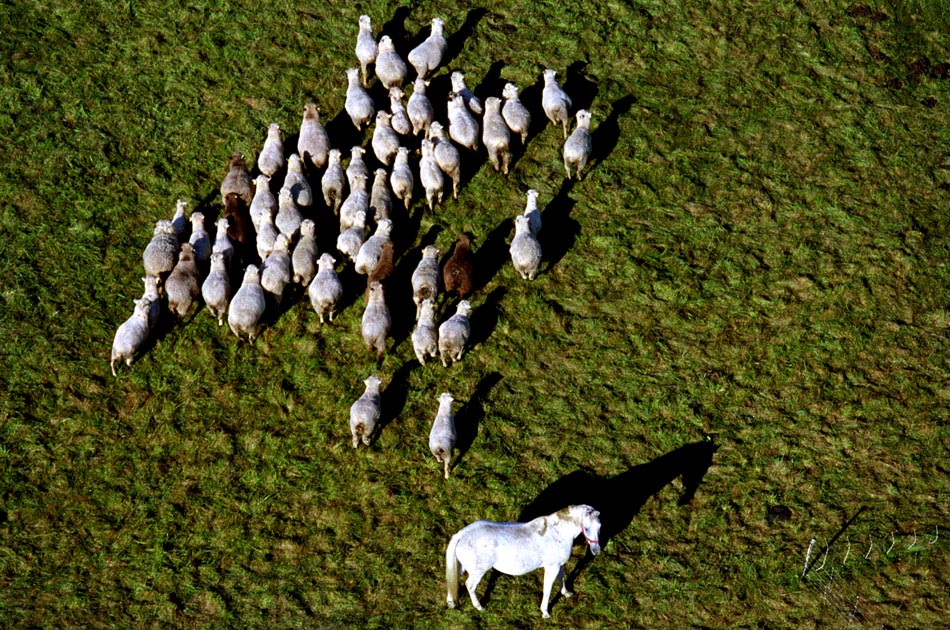
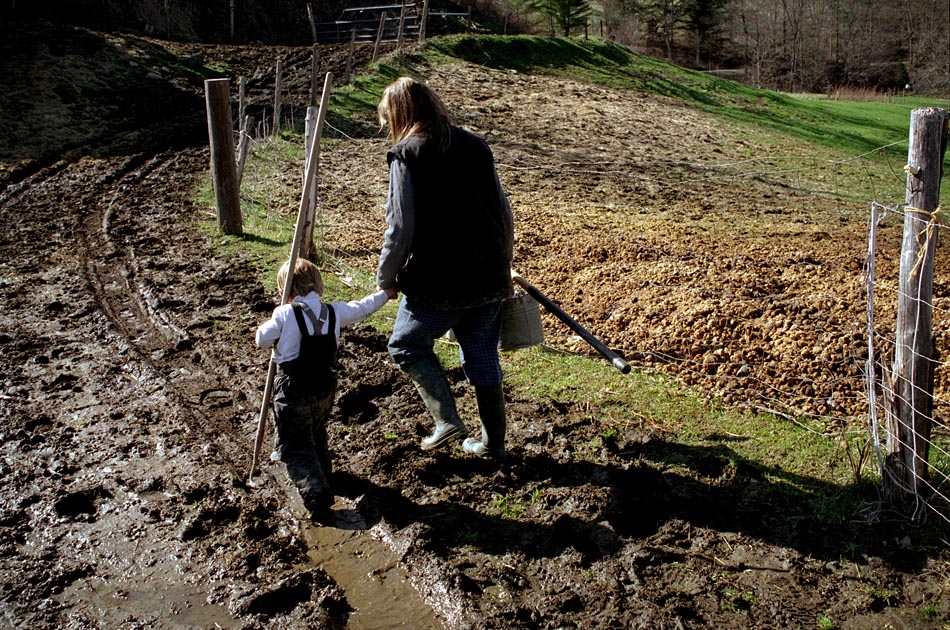
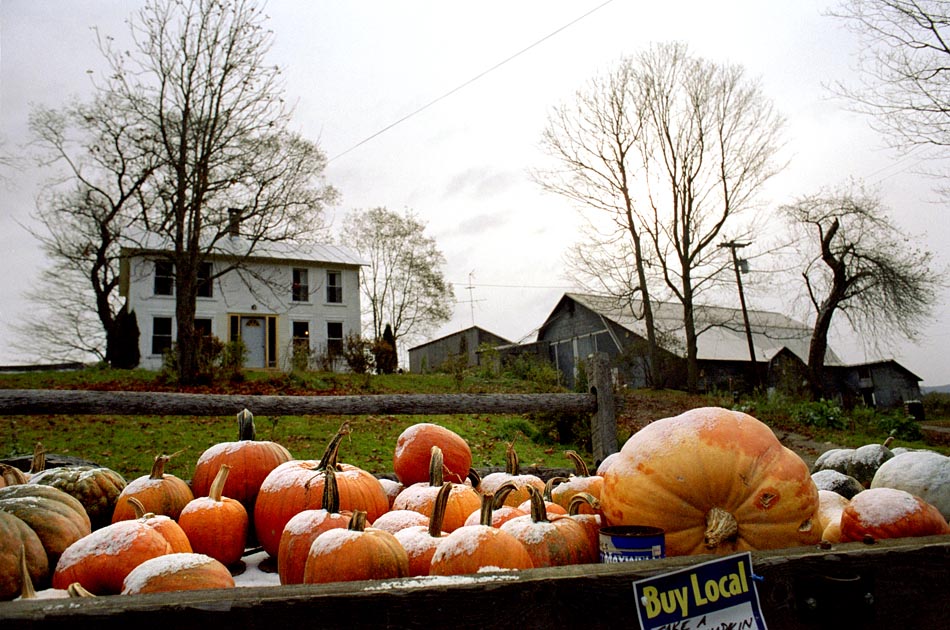
To read the caption, tap or hover over a photograph.
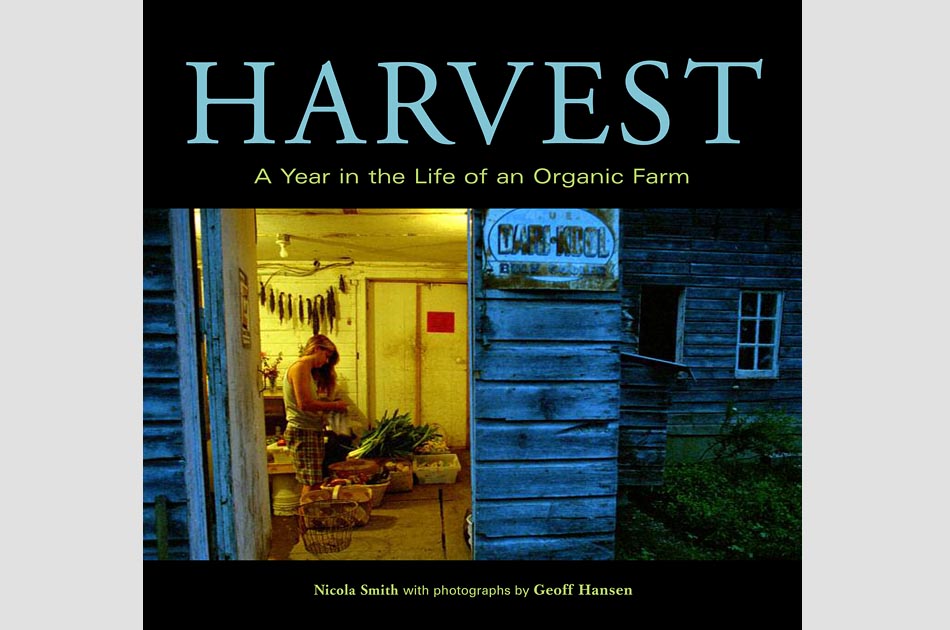
Photographing a farm over four seasons is a project I’ve wanted to do for a long time, and Jennifer Megyesi and Kyle Jones were perfect subjects. The family opened up their lives and Fat Rooster Farm to us, accommodating every request Nicola Smith and I made. We also had a great deal of support and help from editor Ann Treistman at The Lyons Press. — Geoff Hansen
From the Lyons Press catalog: “Where does our food come from, and why should we care? The answer lies in this intimate portrait of a small Vermont farm.
The world of farming — one that is disappearing quickly — informs every aspect of our modern culture, from the food we eat to how we use and preserve the land we live on. Most of us have never set foot on a working farm, however. Now, through insightful prose by journalist Nicola Smith and photographs by Geoff Hansen, readers can enter the life of a couple who believe in the importance of the land and its harvest.
It was a dream of Jennifer Megyesi’s to run a farm and when she and husband Kyle Jones founded Fat Rooster Farm, it became a dream come true. By tapping into the public desire for organic and artisanal food — and with lucky breaks such as selling their milk-fed pigs to celebrated chefs such as Mario Batali — they are finding some success.
The farm embodies both the newer and more traditional faces of farming. Megyesi and Jones are in their early 40s, college educated with advanced degrees, well traveled, influenced by the environmental and social movements of the 1960s and 70s, and savvy in their use of marketing and Internet skills. But in the scale and management of their operation, they revert to an older, more pastoral ideal: sheep out at pasture, chickens that roam free, cows trailed by their calves, hand-gathered honey and maple syrup, their three-year-old son helping with the chores. They’re big enough to grow and sell their own meats, eggs, and vegetables at a modest profit, and small enough to have strong ties to the community. It’s a life worth living — and learning about.”
Click here to order a signed copy of the book.